About Super 16 + Plus

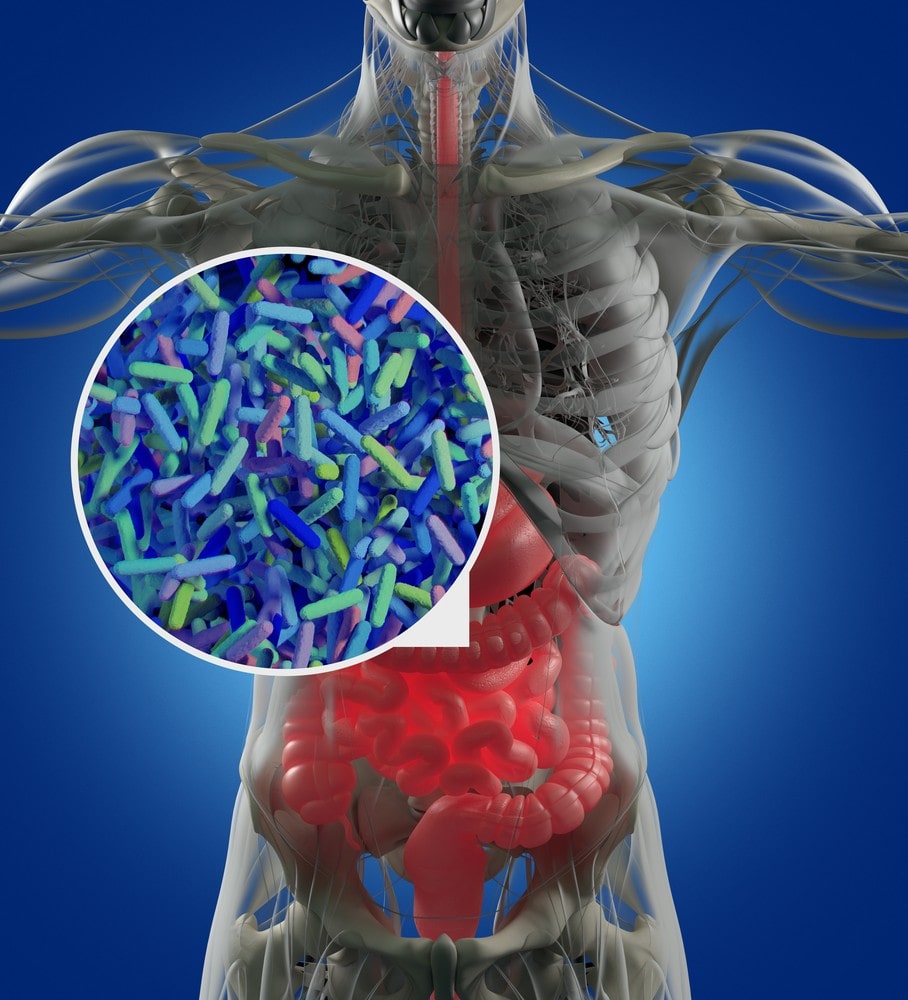
Probiotics are live microorganisms (e.g., bacteria) that are either the same as or similar to microorganisms found naturally in the human body and may be beneficial to health. If you picture the human body as a “host” for bacteria and other microorganisms, you might have a better understanding of probiotics. The body, especially the lower gastrointestinal tract (the gut), contains a complex and diverse community of bacteria. Although we tend to think of bacteria as harmful “germs,” many bacteria actually help the body function properly.
POSSIBLE Benefits of taking probiotics
- Research has been promising with potential benefits of probiotics for some of the following:
- diarrhea
- irritable bowel syndrome
- ulcerative colitis
- Crohn's disease
- H. pylori (the cause of ulcers)
- vaginal infections
- urinary tract infections
- infection of the digestive tract caused by Clostridium difficile
- pouchitis (a possible side effect of surgery that removes the colon)
- eczema in children.
- leaky gut syndrome
LIFE-BIOTICS
SUPER 16 + PLUS
FORMULATION

Super 16 Symbiotic/Probiotic
HumaliteBacillus subtilis Bacillus coagulans Bacillus clausii Bravibacillus brevisBacillus indicus Lactobacillus acidophilusLactobacillus plantarumSaccharomyces boulardiiClostridium butyricumBacillus uniformisBacteroides acidifaciensBacillus thetaiotaomicronParabacteroides goldsteiniiFaecalibacterium prausnitziiLactobacillus delbrueckiiLactobacillus bulgaricus
Other Ingredients: Diatomaceous Earth, Moringa oleifera, Ashwagandha, Fructo-oligosaccharides (FOS)
Other Ingredients: Diatomaceous Earth, Moringa oleifera, Ashwagandha, Fructo-oligosaccharides (FOS)
.jpg)
Humalite
Humalite is weathered sub-bituminous coal (humalite), mined in Alberta, Canada and is similar to weathered lignite (leonardite). Alberta humalite is a highly oxidized naturally occurring organic material that has the lowest ash content at 11%, and the highest humic acid content at 83%, of all humates mined in North America.
The Differences between leonardite and humalite
Leonardite ranges considerably in humic and fulvic acid content. For example, deposits can have as low as 10% humic acid content and as high as 78%. It’s derived from Lignite based coal and was formed in salt water deposits. The other 20-90% of the product that isn’t the active ingredient is made up of ash and heavy metals. The comparison of the two is more clear when you take into consideration the enhanced nutrient quality and properties Humalite has over Leonardite.
Humalite is a name given to the humate material deposited in Alberta, Canada. It is singled out because the material has a different composition and is not derived from Lignite. It is derived from weathered sub-bituminous coal, and opposite of leonardite, it was formed in a fresh water environment, not a salt water one.
When humalite is harvested, the resulting final product averages 87% humic acid. Each batch is individually tested to ensure that it maintains the quality and guaranteed 80% humic acid content that it is known for. This means more humic and fulvic acid content, and considerably less of the undesired ash and heavy metals that are found in Leonardite.
Humalite is a name given to the humate material deposited in Alberta, Canada. It is singled out because the material has a different composition and is not derived from Lignite. It is derived from weathered sub-bituminous coal, and opposite of leonardite, it was formed in a fresh water environment, not a salt water one.
When humalite is harvested, the resulting final product averages 87% humic acid. Each batch is individually tested to ensure that it maintains the quality and guaranteed 80% humic acid content that it is known for. This means more humic and fulvic acid content, and considerably less of the undesired ash and heavy metals that are found in Leonardite.
Life-Biotics SUPER 16 + Plus MICROBIAL STRAINS:
1) Bacillus subtilis is a Gram-positive bacterium commonly found in soil and the gastrointestinal tract of ruminants (cattle, goats, sheep, giraffes, deer, gazelles, antelopes) and humans. Under the microscope, it is shaped like a rod and can protect itself by forming a tough coating called an endospore. B. subtilis is used primarily for two approaches to human health: the production of enzymes typically thought of as prebiotics (amylase), and beneficial probiotics that support both the local battle against GI diseases and the systemic control or prevention of infections.
2) Bacillus coagulans is a beneficial bacteria known as a probiotic. Found naturally in your intestines, probiotics are beneficial microorganisms that may promote health and protect against infections. Similar to Lactobacillus strains, B. coagulans is used to treat diarrhea and prevent candida infections. B. coagulans and other probiotic supplements while taking antibiotic medications is sometimes recommended to guard against gastrointestinal side effects and yeast infections. B. coagulans is believed to stimulate the immune system.
3) Bacillus clausii is a rod-shaped, Gram-positive, motile and spore-forming bacterium that lives in the soil. It is classified as probiotic microorganism that maintains a symbiotic relationship with the host organism. It is currently being studied in respiratory infections and some gastrointestinal disorders. Bacillus clausii has been found to produce antimicrobial substances that are active against gram positive bacteria including Staphylococcus aureus, Enterococcus faecium and Clostridium difficile.
4) Bacillus brevis comes from the family of Bacillaceae belonging to the order Bacillales, class Bacilli and phylum Firmicutes of the kingdom Bacteria. The interest in Bacillus brevis started in the 1940's when Brevis strains were isolated to produce the antibiotic gramicidin.Bacillus brevis has many health benefits. These strains are known to inactivate the enterotoxins present in the body by blocking the adhesion sites from pathogens. They are known to improve the immune performance of the body against urinary tract infections and bowel bacterial overgrowth. A few strains of Bacillus brevis have also been found to address anomalies like hepatic encephalopathy and colon cancer. It is known to strongly protect the body against Crohn's disease and ulcerative colitis. Some researchers have also reported their positive effect on autistic children. 5) Bacillus indicus can produce carotenoids, pigments which are the sources of the yellow, orange, and red colors of many plants, algae and photosynthetic bacteria. Many of these carotenoids have known health benefits and thus the potential to include this bacterium or its products in supplements and many processed foods is new and exciting to the food and supplement industries.
6) Lactobacillus acidophilus is the most researched and proven probiotic known to scientists. L. Acidophilus bacteria were first isolated in the 1890's by the Nobel Prize winner Llya Metchnikoff. Since then thousands of research studies have proven that Lactobacillus acidophilus is vital to human health. Research in recent decades has confirmed that supplementing with acidophilus can treat helps our digestion and also treats diarrhea, irritable bowel syndrome (IBS), leaky gut syndrome and reduces lactose intolerance and increases our absorption of calcium, B vitamins and can even improve appetite.
7) Lactobacillus plantarum is a studied bacteria Lactiplantibacillus plantarum PKI15 proved itself as a probiotic strain by showing inhibitory effect against pathogenic bacteria, tolerance to bile salt, antibiotic sensitivity and gamma haemolysis. The production of tannase and gallic acid by L. plantarum PKI15 was found to be strongly influenced by the incubation temperature, medium pH, concentration of substrate tannic acid and other fermentation parameters. The optimal conditions for production of tannase by L. plantarum
8) Saccharomyces boulardii is a yeast believed to be a strain of Saccharomyces cerevisiae. It is likely effective for treating certain types of diarrheas. Saccharomyces boulardii is called a "probiotic," a friendly organism that helps to fight off "bad" organisms that might cause diseases. Saccharomyces boulardii is different from other strains of Saccharomyces cerevisiae, commonly known as brewer's yeast and baker's yeast. Saccharomyces boulardii is most commonly used for treating and preventing diarrhea, including rotaviral diarrhea in children. It has some evidence of use for other types of diarrhea, acne, and a digestive tract infection that can lead to ulcers.
9) Clostridium butyricum is a probiotic containing a specific strain of the anaerobic, butyric acid-forming Gram-positive bacterium Clostridium butyricum (C. butyricum), with potential immunomodulatory, anti-inflammatory and antineoplastic activities. C. butyricum modulates the composition of the normal gastrointestinal (GI) microflora, by increasing the beneficial bacteria and decreasing the harmful bacteria, and helps maintain adequate colonization of the GI tract, thereby improving digestion and preventing GI disturbances. These bacteria and the butyric acid produced by them create an environment unfavorable to pathogens by adhering to human epithelial cells and forming a protective mucosal barrier. This prevents attachment of pathogens and reduces the risk of infection. By restoring gut microbiota, these bacteria may restore or enhance intestinal immune responses.
10) Bacteroides uniformis is a Gram-negative, obligate anaerobic bacterium found in human feces that plays a crucial role in gut health by breaking down complex carbohydrates into short-chain fatty acids, which are important for energy metabolism and immune function. It contributes to gut stability and has potential benefits in weight management and reducing inflammation. Bacteroides uniformis is significant for maintaining gut stability and may be a promising target for therapeutic interventions aimed at improving gut health and preventing metabolic disorders. Its ability to adapt to various dietary conditions makes it a key player in the human microbiome.
11) Bacteroides acidifaciens is a next-generation gut symbiont with beneficial roles in immune regulation, gut barrier integrity, and energy metabolism. It produces acetate and succinate which aid host metabolism. B. acidifaciens plays a key role in promoting mucosal IgA production, modulating lipid metabolism, and supporting SCFA production and gut barrier function.
12) Bacteroides thetaiotaomicron is a key member of the human intestinal microbiota, playing major roles in carbohydrate metabolism, immune modulation, and gut homeostasis.
13) Parabacteroides goldsteinii is an emerging Next Generation Probiotic (NGP) with proven benefits in gut health, metabolic modulation, and anti-inflammatory activity. This strictly anaerobic, non-spore-forming, Gram-negative bacterium has been isolated from the healthy human gut microbiota and represents a key member of the Bacteroidetes phylum. It has shown remarkable potential in modulating lipid metabolism, improving insulin sensitivity, reducing systemic inflammation, and enhancing intestinal barrier integrity
14) Faecalibacterium prausnitzii is a prominent member of the human gut microbiota and one of the most abundant commensal bacteria in healthy individuals. It is recognized as a key producer of butyrate, a short-chain fatty acid essential for colon health, and exhibits potent anti-inflammatory and immunomodulatory effects. This strain is considered a core Next Generation Probiotic (NGP) candidate due to its strong association with intestinal homeostasis, gut barrier protection, and prevention of inflammatory bowel diseases (IBD).
15) Lactobacillus bulgaricus is considered a probiotic, which may support digestive health and boost the immune system. It has a long history of safe use, leading to its classification as Generally Recognized as Safe (GRAS) by the FDA..
16) Lactobacillus delbrueckii is considered part of the next generation of indigenous probiotic species, originating from traditional Indian fermented foods (dahi). It demonstrates unique adaptations for gastrointestinal survival, acid/bile resistance, and potential immunomodulatory activity.
.jpg)
Diatomaceous earth is a white, porous, sedimentary rock that is naturally-made from the fossilized remains of diatoms. Diatoms are one of the types of unicellular phytoplankton that are surrounded by silica-rich cell walls. The silica found in diatomaceous earth is an essential mineral that is needed by plants, animals, and humans to grow and remain healthy. There is a growing collection of research looking at the benefits of food grade diatomaceous earth. It’s commonly used by humans to promote detoxification, aid digestion, and improve skin and hair health.
Moringa oleifera is a multi-purpose herbal plant used as human food and an alternative for medicinal purposes worldwide. It has been identified by researchers as a plant with numerous health benefits including nutritional and medicinal advantages. Moringa oleifera contains essential amino acids, carotenoids in leaves, and components with nutraceutical properties, supporting the idea of using this plant as a nutritional supplement or constituent in food preparation. Some nutritional evaluation has been carried out in leaves and stem. An important factor that accounts for the medicinal uses of Moringa oleifera is its very wide range of vital antioxidants, antibiotics and nutrients including vitamins and minerals. Almost all parts from Moringa can be used as a source for nutrition with other useful values.
Ashwagandha is an evergreen shrub that’s found in India, Africa, and parts of the Middle East. Ashwagandha has long been used in Ayurvedic medicine to increase energy, improve overall health and reduce inflammation, pain and anxiety. Ashwagandha contains chemicals that might help calm the brain, reduce swelling, lower blood pressure, and alter the immune system. Since ashwagandha is traditionally used as an adaptogen, it is used for many conditions related to stress. Adaptogens are believed to help the body resist physical and mental stress. Some of the conditions it is used for include insomnia, aging, anxiety and many others. Fructo-oligosaccharides (FOS) are plant sugars that occur in many fruits and vegetables. They can also be made in a lab and are used as prebiotics. FOS do not get digested until they reach the colon. In the colon, they are digested by good bacteria. This helps the good bacteria to grow, which is why they are used as prebiotics. Prebiotics act as food for probiotics (good bacteria). are plant sugars that occur in many fruits and vegetables. They can also be made in a lab and are used as prebiotics. FOS do not get digested until they reach the colon. In the colon, they are digested by good bacteria. This helps the good bacteria to grow, which is why they are used as prebiotics. Prebiotics act as food for probiotics (good bacteria).
Moringa oleifera is a multi-purpose herbal plant used as human food and an alternative for medicinal purposes worldwide. It has been identified by researchers as a plant with numerous health benefits including nutritional and medicinal advantages. Moringa oleifera contains essential amino acids, carotenoids in leaves, and components with nutraceutical properties, supporting the idea of using this plant as a nutritional supplement or constituent in food preparation. Some nutritional evaluation has been carried out in leaves and stem. An important factor that accounts for the medicinal uses of Moringa oleifera is its very wide range of vital antioxidants, antibiotics and nutrients including vitamins and minerals. Almost all parts from Moringa can be used as a source for nutrition with other useful values.
Ashwagandha is an evergreen shrub that’s found in India, Africa, and parts of the Middle East. Ashwagandha has long been used in Ayurvedic medicine to increase energy, improve overall health and reduce inflammation, pain and anxiety. Ashwagandha contains chemicals that might help calm the brain, reduce swelling, lower blood pressure, and alter the immune system. Since ashwagandha is traditionally used as an adaptogen, it is used for many conditions related to stress. Adaptogens are believed to help the body resist physical and mental stress. Some of the conditions it is used for include insomnia, aging, anxiety and many others. Fructo-oligosaccharides (FOS) are plant sugars that occur in many fruits and vegetables. They can also be made in a lab and are used as prebiotics. FOS do not get digested until they reach the colon. In the colon, they are digested by good bacteria. This helps the good bacteria to grow, which is why they are used as prebiotics. Prebiotics act as food for probiotics (good bacteria). are plant sugars that occur in many fruits and vegetables. They can also be made in a lab and are used as prebiotics. FOS do not get digested until they reach the colon. In the colon, they are digested by good bacteria. This helps the good bacteria to grow, which is why they are used as prebiotics. Prebiotics act as food for probiotics (good bacteria).
.png)
.jpg)